


How Do You Know If You Need a Root Canal?
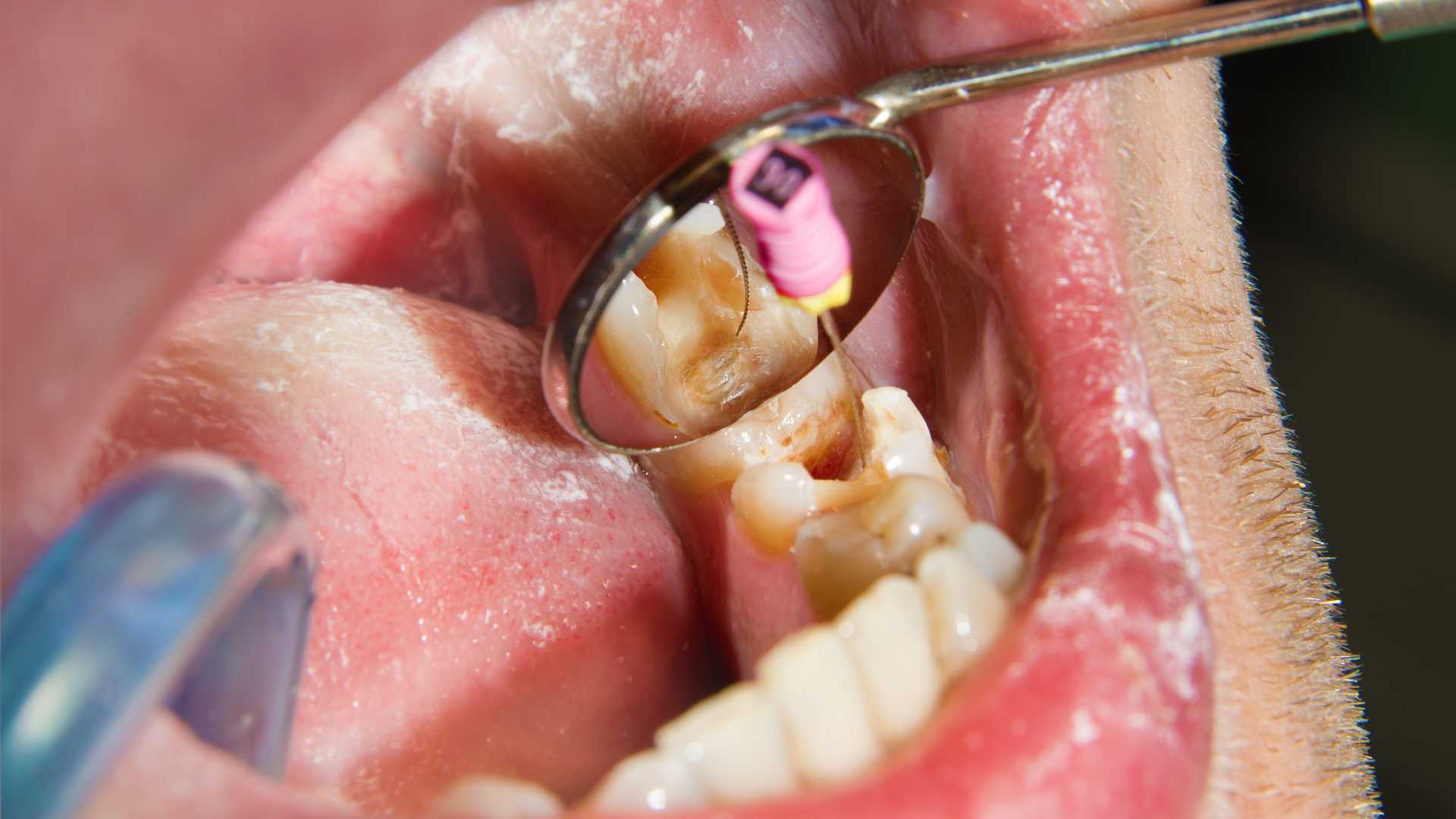
Few dental procedures carry as much unnecessary anxiety as the root canal, largely due to outdated reputation rather than the actual experience of modern treatment. In reality, a root canal is a procedure designed to relieve pain and save a tooth that would otherwise likely need to be extracted. Understanding the signs that may indicate a root canal is needed can help patients seek treatment earlier, when it tends to be more straightforward, rather than waiting until the problem has become more painful and complicated.
What a Root Canal Actually Treats
Inside every tooth, beneath the hard enamel and dentin layers, is a soft tissue called the pulp, which contains nerves and blood vessels. When this pulp becomes infected or severely inflamed, typically due to deep decay, a crack that has reached the pulp, or trauma to the tooth, it can cause significant pain and, if left untreated, lead to an abscess, a pocket of infection that can spread to surrounding bone and tissue. A root canal removes the infected or inflamed pulp, cleans and disinfects the inside of the tooth, and fills the empty space, allowing the tooth to be saved rather than extracted.
Persistent or Severe Tooth Pain
One of the most common signs that a root canal may be needed is persistent tooth pain, particularly pain that is spontaneous, meaning it occurs without an obvious trigger like biting or temperature exposure, or pain that lingers well after a triggering stimulus has been removed. Pain that wakes you up at night or that is severe enough to interfere with daily activities is a particularly notable sign, since healthy tooth pulp does not typically produce this level of discomfort on its own.
Sensitivity to Hot and Cold That Lingers
Some sensitivity to hot or cold foods and drinks is common and does not automatically indicate a serious problem, particularly if the sensitivity is brief and resolves quickly once the stimulus is removed. However, sensitivity that lingers for an extended period after the hot or cold item is gone, sometimes for a minute or more, is a more concerning sign, since it can indicate the nerve inside the tooth is inflamed or damaged in a way that a simple filling will not resolve.
Pain When Biting or Chewing
Pain specifically when biting down or chewing, particularly if it is sharp or comes on suddenly with pressure, can indicate a problem at the root of the tooth or in the tissue surrounding it. This kind of pain sometimes points to a crack that has reached the pulp, or an infection that has caused inflammation in the ligament connecting the tooth to the surrounding bone, both of which are situations a root canal is specifically designed to address.
Swelling and Tenderness in the Gums
Swelling in the gums near a specific tooth, sometimes accompanied by tenderness to the touch, can indicate an infection has developed at the root of the tooth. In some cases, this swelling may develop into a visible bump on the gum, sometimes called a gum boil or fistula, which can periodically drain fluid and temporarily relieve pressure, sometimes reducing pain in a way that misleadingly suggests the problem has resolved on its own, when in fact the underlying infection is still present and requires treatment.
Darkening or Discoloration of the Tooth
A tooth that has changed color, often appearing darker, grayish, or yellowish compared to the surrounding teeth, can indicate that the internal pulp has died or is dying, frequently as a result of trauma to the tooth, such as an injury from years earlier, even if that trauma did not immediately require treatment at the time. This discoloration can occur even without significant pain, which is one of the reasons regular dental checkups matter, since a dentist may notice this change before a patient does, or before it becomes symptomatic.
A Tooth That Feels Loose
A tooth that feels unusually loose, without an obvious cause such as an injury, can sometimes indicate that infection has affected the bone and ligament supporting the tooth's root. While looseness has multiple possible causes, including gum disease, it is worth having a dentist evaluate any unexplained looseness promptly, since delaying treatment can allow the underlying problem to worsen.
Sometimes There Are No Symptoms at All
It is worth noting that not every tooth needing a root canal produces noticeable symptoms, particularly in the early stages of pulp damage or in cases where the nerve has already died and can no longer transmit pain signals. This is one of the reasons dentists rely on x-rays and other diagnostic tools during routine exams, since these can reveal signs of infection or pulp damage at the root of a tooth well before a patient experiences any pain, allowing treatment to begin before the situation becomes more painful or complicated.
How a Dentist Confirms the Diagnosis
If you are experiencing any of these symptoms, a dentist will typically perform a clinical exam, take an x-ray to evaluate the tooth's root and surrounding bone, and may perform specific tests, such as checking the tooth's response to cold or to gentle tapping, to help pinpoint the source of the problem and confirm whether a root canal, rather than a filling or another treatment, is the appropriate next step. These tests help distinguish a problem specifically involving the tooth's pulp from other potential causes of dental pain, such as gum disease or a problem with a neighboring tooth.
Why Early Evaluation Matters
Addressing these symptoms promptly rather than waiting tends to lead to a more straightforward treatment experience and a better chance of saving the tooth. An infection that has been allowed to progress for an extended period can spread beyond the tooth itself, potentially requiring more extensive treatment or, in more severe cases, leading to a situation where the tooth can no longer be saved at all. If you notice any combination of these symptoms, particularly persistent pain, lingering sensitivity, or swelling near a specific tooth, scheduling an evaluation promptly is generally the most effective way to address the problem before it becomes more serious.
What Happens During the Procedure Itself
A root canal typically begins with local anesthesia to numb the tooth and surrounding area, after which the dentist or endodontist creates a small opening in the top of the tooth to access the pulp chamber. The infected or inflamed pulp tissue is carefully removed, and the inside of the tooth, including the root canals themselves, is cleaned, shaped, and disinfected. Once cleaned, the empty space is filled with a biocompatible material and sealed, and in most cases a crown is later placed over the tooth to restore its strength and protect it from fracturing, since a tooth that has undergone a root canal can become more brittle over time without that additional support.
Contrary to its reputation, most patients report that the procedure itself feels similar to getting a routine filling, since the numbing process addresses the pain that would otherwise be involved. Any discomfort after the procedure is typically manageable with over the counter pain relief and generally subsides within a few days as the tooth and surrounding tissue heal.
What Happens If Treatment Is Delayed
Putting off treatment when a root canal is genuinely needed rarely resolves the underlying issue on its own. Even if pain temporarily subsides, often because the nerve inside the tooth has died and can no longer signal pain, the infection at the root typically continues to progress. Left unaddressed, it can lead to a more serious abscess, spread to affect the jawbone, or in some cases require the tooth to be extracted rather than saved, which then introduces the additional cost and treatment time associated with replacing the missing tooth through a bridge, an implant, or a partial denture. Addressing symptoms early generally leads to simpler, less invasive treatment overall.
This article provides general educational information about dental symptoms and treatment and is not a substitute for professional dental advice or diagnosis. If you are experiencing tooth pain or other symptoms described here, a dentist can evaluate your specific situation and recommend appropriate treatment.