


Crowns vs. Bridges: Understanding Your Tooth Replacement Options
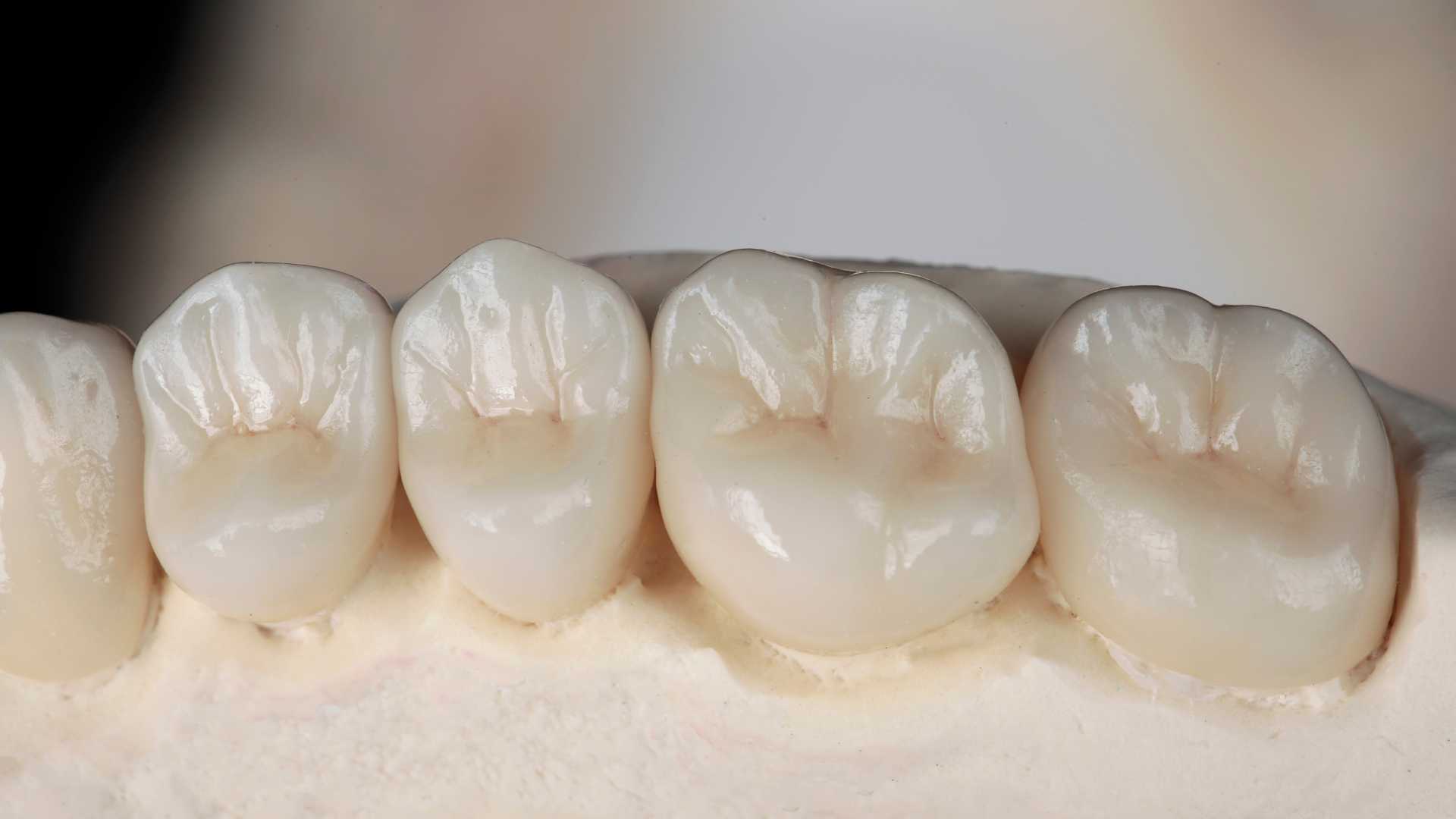
When a tooth is damaged, decayed, or missing entirely, patients are often faced with more than one way to restore their smile and their bite. Two of the most common restorative options are dental crowns and dental bridges, and while they sound similar and are sometimes mentioned in the same conversation, they actually solve different problems. Understanding the difference helps patients ask better questions at their next dental visit and feel more confident about whichever treatment their dentist recommends.
What Is a Dental Crown?
A dental crown is a cap that fits over an existing, damaged tooth, essentially replacing the outer structure of the tooth while leaving the tooth's root in place. Crowns are used when a tooth has enough remaining structure to support a cap but is too damaged, decayed, cracked, or weakened to function well or look good on its own. Crowns are typically made from materials such as porcelain, ceramic, zirconia, or a metal alloy, and modern crowns are often designed to closely match the color and translucency of natural teeth, particularly for teeth visible when smiling.
A crown does not replace a missing tooth. It restores a tooth that is still present but compromised, whether that compromise came from a large cavity, a root canal that has left the tooth brittle, a significant crack, or a fracture from an injury. Because the crown covers the entire visible portion of the tooth, it protects what remains of the natural tooth structure from further damage while restoring normal shape and chewing function.
What Is a Dental Bridge?
A dental bridge, by contrast, is used to replace one or more missing teeth entirely. A traditional bridge consists of a replacement tooth, called a pontic, held in place by crowns placed on the natural teeth on either side of the gap, called abutment teeth. Those abutment teeth are shaped down to accept crowns, and the entire bridge, pontic and crowns together, is fabricated as one connected piece and cemented into place, spanning the gap left by the missing tooth or teeth.
Other types of bridges exist as well, including a cantilever bridge, which is supported by an abutment tooth on only one side, and a Maryland bridge, which uses a metal or porcelain framework bonded to the back of neighboring teeth rather than full crowns, preserving more of the abutment teeth's natural structure. The right type of bridge depends on the location of the missing tooth, the condition of the neighboring teeth, and the forces involved in biting and chewing in that part of the mouth.
Why the Distinction Matters
Choosing between a crown and a bridge is not really a choice at all in most cases, since the two address different situations. If a tooth is still present but damaged, a crown is generally the appropriate solution, assuming there is enough healthy tooth structure remaining to support it. If a tooth is already missing, or needs to be extracted, a bridge, an implant, or a removable partial denture become the relevant options instead, since there is no natural tooth left to simply cap.
Where the two overlap is in the abutment teeth of a bridge, which do receive individual crowns as part of the bridge structure. This is one reason the two treatments are often discussed together, even though a standalone crown on a single damaged tooth is a fundamentally different treatment than a multi unit bridge replacing a missing tooth.
Comparing Bridges to Dental Implants
For patients missing one or more teeth, a bridge is not the only option. A dental implant, which replaces the tooth root with a titanium post surgically placed in the jawbone and topped with a crown, is another common approach. Bridges generally involve a shorter overall treatment timeline and do not require a surgical procedure, but they do require reshaping the neighboring healthy teeth to serve as abutments, which some patients and dentists prefer to avoid if those teeth are otherwise healthy. Implants preserve the neighboring teeth untouched but involve a longer process, since the implant post typically needs time to integrate with the jawbone before a permanent crown can be attached, and they require adequate bone density to support the implant.
How Long Do They Last?
Both crowns and bridges can last many years, often a decade or more, with proper care, though the exact lifespan depends on the material used, the location in the mouth, and how well the patient maintains their oral hygiene. Crowns tend to fail due to decay developing at the margin where the crown meets the natural tooth, or due to the crown itself cracking under heavy biting forces. Bridges face similar risks, with the added consideration that if one of the abutment teeth develops a problem, such as decay or gum disease, it can affect the stability of the entire bridge, not just that one section.
Caring for a Crown or Bridge
Good oral hygiene remains just as important with a crown or bridge in place as it is with natural teeth. Brushing twice daily and flossing regularly help prevent decay from developing at the edges of a crown or around the abutment teeth of a bridge. For bridges specifically, special flossing tools or a floss threader are often needed to clean underneath the pontic, since regular floss cannot easily reach that area on its own. Skipping this step is one of the more common reasons bridges eventually fail prematurely, since decay or gum disease under the pontic can go unnoticed until it has already caused damage to the supporting teeth.
Cost Considerations
Bridges generally involve treating multiple teeth, the abutments plus the pontic, which typically makes them more expensive upfront than a single crown, though often less expensive than a dental implant for the same missing tooth. Dental insurance plans vary considerably in how they cover crowns and bridges, and coverage often depends on whether the treatment is considered medically necessary versus primarily cosmetic, so checking with your specific insurance provider before treatment begins is a worthwhile step.
Talking to Your Dentist
If you are facing a decision between these treatments, it helps to ask your dentist directly why a particular option is being recommended for your specific tooth or gap, what the expected lifespan of that treatment is, and what the alternatives would involve in terms of cost, time, and long term maintenance. A good dentist will walk through these tradeoffs with you rather than presenting only one option, since the right choice often depends on factors specific to your mouth, such as the condition of neighboring teeth, your bite, and your personal preferences around treatment time and long term care.
What to Expect During Treatment
Getting a crown typically involves two appointments unless your dentist uses same day milling technology. At the first visit, the tooth is prepared by removing the damaged or decayed portion and shaping the remaining structure to accept the crown, an impression or digital scan is taken, and a temporary crown is placed while the permanent one is fabricated. At the second visit, the temporary is removed and the permanent crown is checked for fit and bite before being cemented into place. A bridge follows a similar process, except the abutment teeth on either side of the gap are prepared together, and the entire bridge, spanning the gap, is fitted and cemented as one connected unit. During the time between appointments, temporary restorations protect the prepared teeth, though it is generally wise to avoid sticky or hard foods on that side of the mouth until the permanent restoration is in place.
When a Tooth Cannot Be Saved With Either Option
In some cases, a tooth is too damaged even for a crown, whether due to a fracture that extends below the gum line, extensive decay that has compromised the tooth's root, or advanced gum disease that has destroyed too much of the supporting bone. When a tooth cannot realistically be saved, extraction followed by a bridge, an implant, or a partial denture becomes the relevant conversation, rather than a crown, which requires a reasonably intact natural tooth to attach to in the first place.
This article provides general educational information about dental treatment options and is not a substitute for professional dental advice. Your dentist can evaluate your specific teeth and recommend the restoration option that best fits your needs.